
Water monitoring
Surface water. Groundwater. Fish ponds. One system.
SITECH automated water monitoring stations track continuously, alert promptly when indicators exceed thresholds, forecast WQI with AI — everything managed in Vietnamese-language software.
Surface water
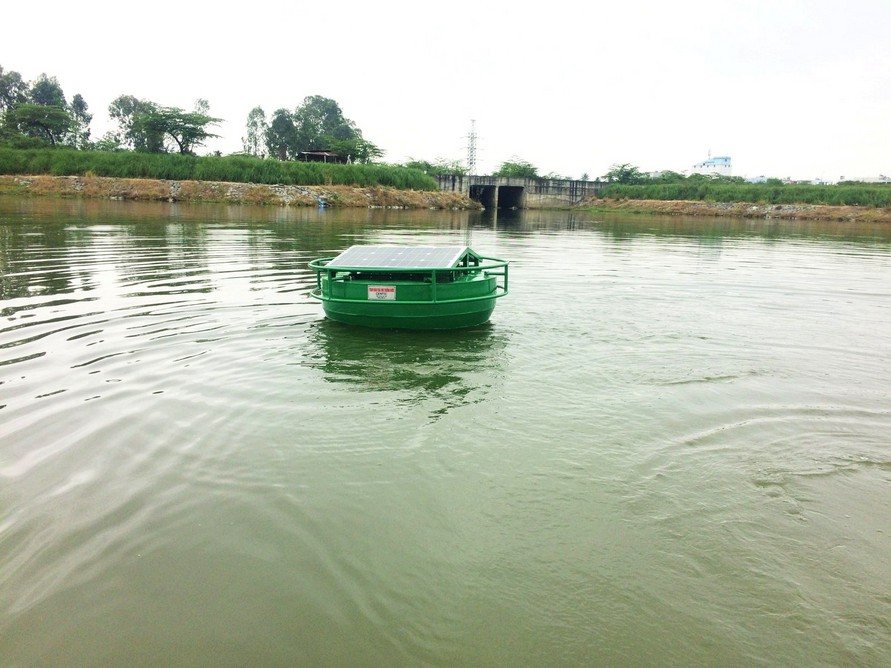
Floating buoy station — measuring continuously mid-stream.
The SITECH surface-water buoy monitoring station is an integrated build that can be customised and expanded. Supports many parameters: pH, DO, TSS, COD, NH4+ and other indicators depending on sensor type and monitoring objective.
- Data logger: ARM Cortex-M4 180 MHz, analogue + digital signal inputs
- Data transmission via 3G/4G; input voltage 8–36 VDC
- Error under 5% (actual value depends on sensor, measuring range, measuring conditions and calibration)
- Solar panel (lifespan over 15 years); backup power for 30 days without sunshine
- Operating range 0 °C to 60 °C, humidity 0–100% RH; installation site must have 3G/4G coverage
- Remote operation: change measurement/sending frequency, change alert thresholds, clean sensors on demand
- AI-based WQI display and forecasting; 1-year system warranty (sensors per manufacturer)
Groundwater & water supply
LoRaWAN — measure flow, conserve water.
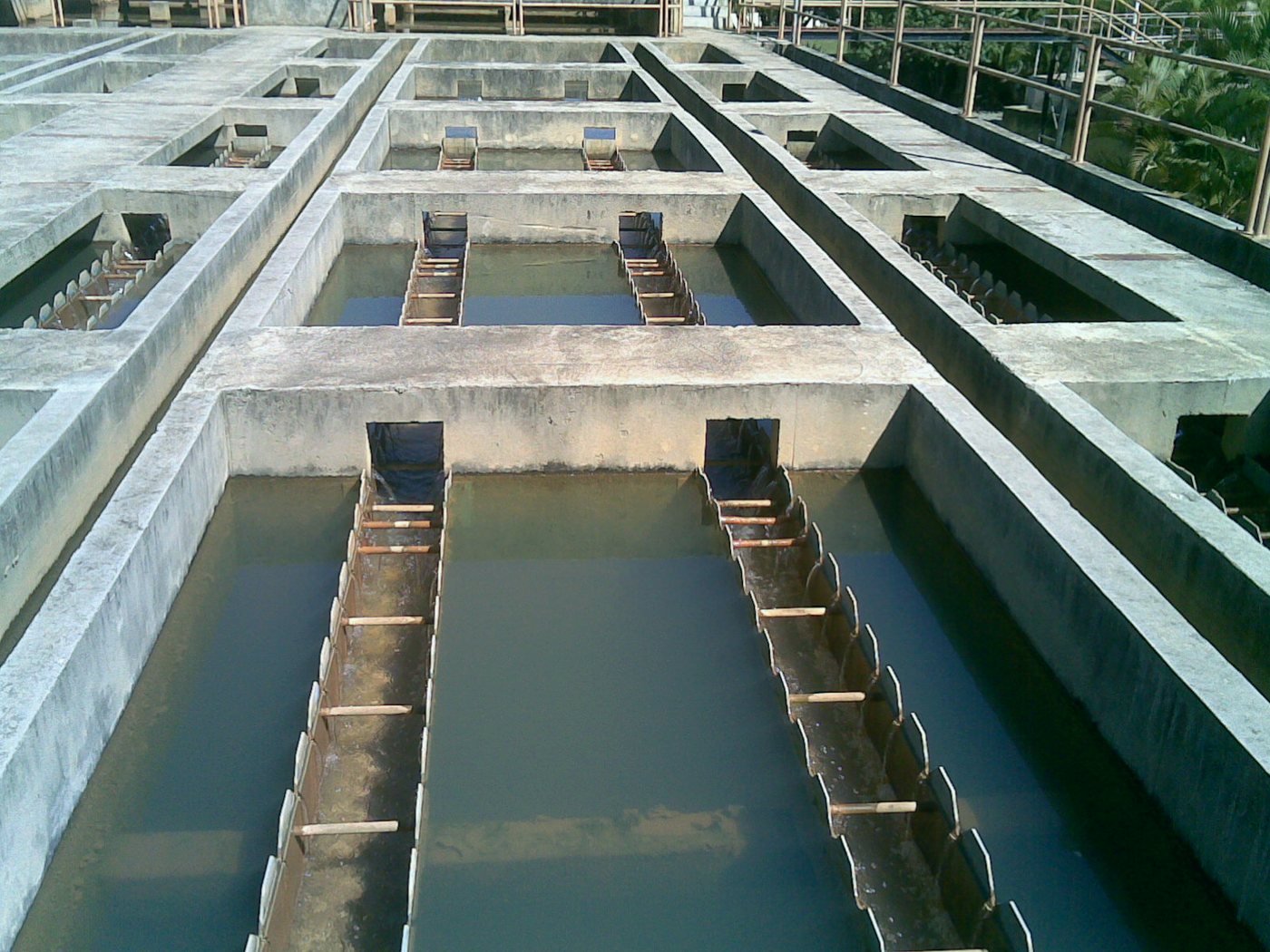
The automated groundwater monitoring and water-supply flow measurement system uses LoRaWAN technology — flow data loggers send data to central management software over a LoRaWAN network at 920–923 MHz.
- Parameters: water flow, water level, temperature
- Automatic pipe-burst alerts via the mobile app
- Electronic water meters verified / calibrated by the competent authority
- LoRa Node: 3 AA batteries, operating 3–5 years depending on data-sending frequency
- LoRa Gateway: RJ45 / WiFi / 4G; 220V mains power or solar panel
- View and export data remotely via website or mobile app
Aquaculture
Monitoring + pond control.
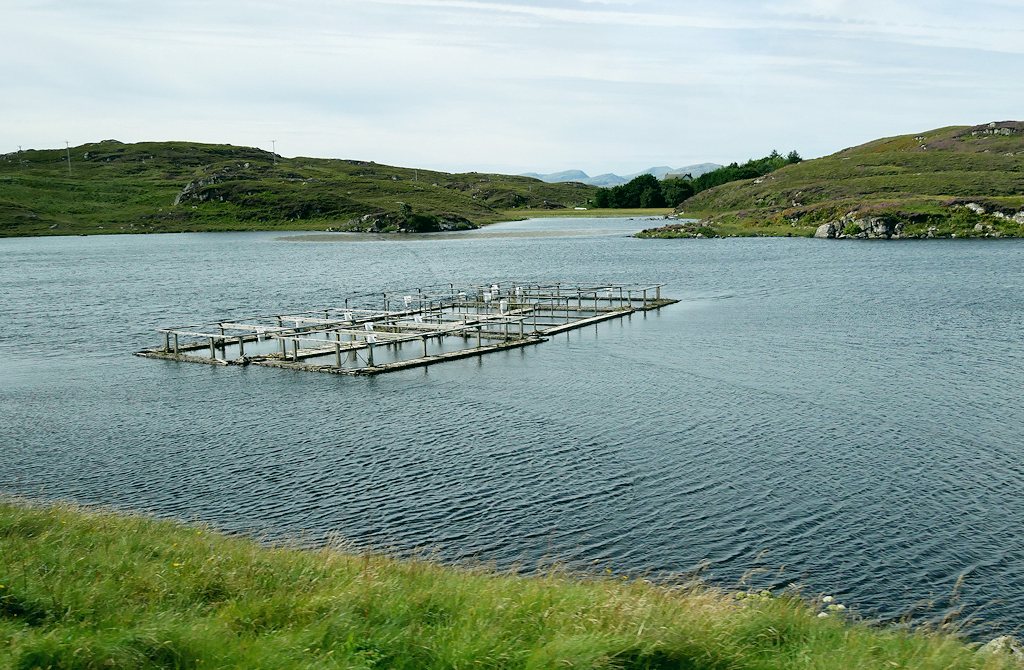
Aquaculture water monitoring and equipment control system — not just measuring, but automatically controlling actuators as the production process requires. Fine-tuned for each species and each customer’s needs.
- Parameters: pH, ORP, DO, NO2, salinity
- ARM Cortex-M4 48 MHz; connected via LoRaWAN, reducing the need for transmission infrastructure
- Sensors from Europe, Japan and the USA; error under 5%
- Solar-powered, safe to place over ponds; backup power for 30 days
- Early warnings via website, SMS and mobile app
Applications
Where to measure, and why.
- Urban rivers, lakes and canals — track pollution trends, detect when changes occur, choose locations needing deeper inspection.
- Reservoirs and water-supply intake points — monitor incoming water quality; support decisions to adjust abstraction when an alert arrives.
- Industrial zones, industrial clusters and craft villages — monitor wastewater receiving areas, compare trends between locations.
- Irrigation, agriculture and aquaculture — help choose water-intake timing, track risks for farming / irrigation areas.
- Tourism and landscape areas — track water-source changes, help protect the landscape.